What the Archive Cannot Hold: Film, music, stories and the limits of preservation
Un Sueno Fugaz | A Fleeting Dream
Project:
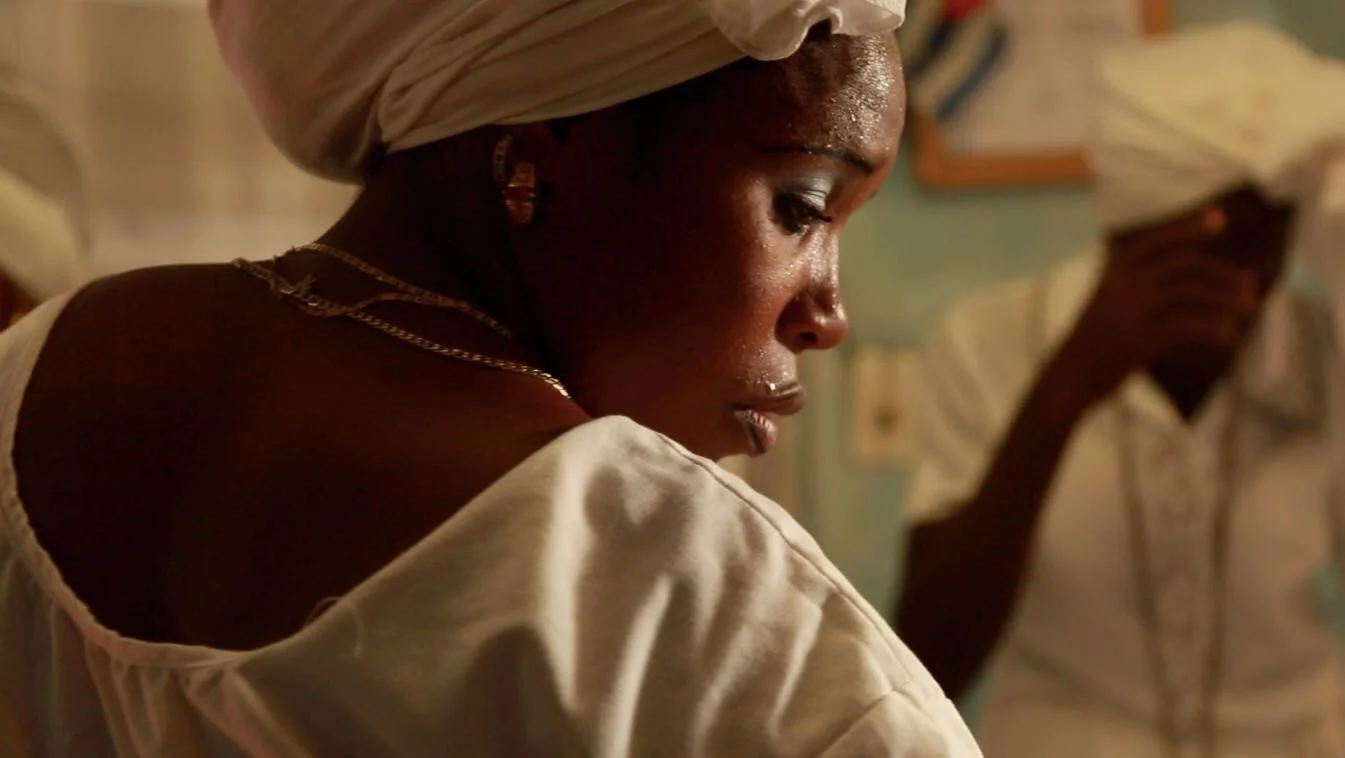
Since 2017, I have been working with Yoruba/Lucumí dance, drumming, and ritual practices held by elders in remote mountain communities in eastern Cuba. What began as a film project gradually became a different kind of inquiry.
The camera could record movement, sound, testimony and ceremony, but the recordings also exposed what they could not hold: knowledge carried through the body; relationships among dancer, drummer and community; ritual experience; and forms of knowing that exist through performance rather than as information about it.
This encounter became the ground for my philosophy doctoral research and for a broader inquiry into the limits and possibilities of the archive—one that does not presume everything of value should, or even can, be captured. Instead, the project asks what documentation preserves, what it transforms, what should remain opaque or unrecorded, and who has the authority to decide.
The work brings my practice as a filmmaker and artist into direct conversation with philosophy, embodied knowledge, African and Caribbean epistemologies, archival practice and emerging computational systems.
Its central question is not simply how do we preserve this knowledge?
It is: what form should preservation take when the act of preserving may fundamentally transform what it seeks to hold?

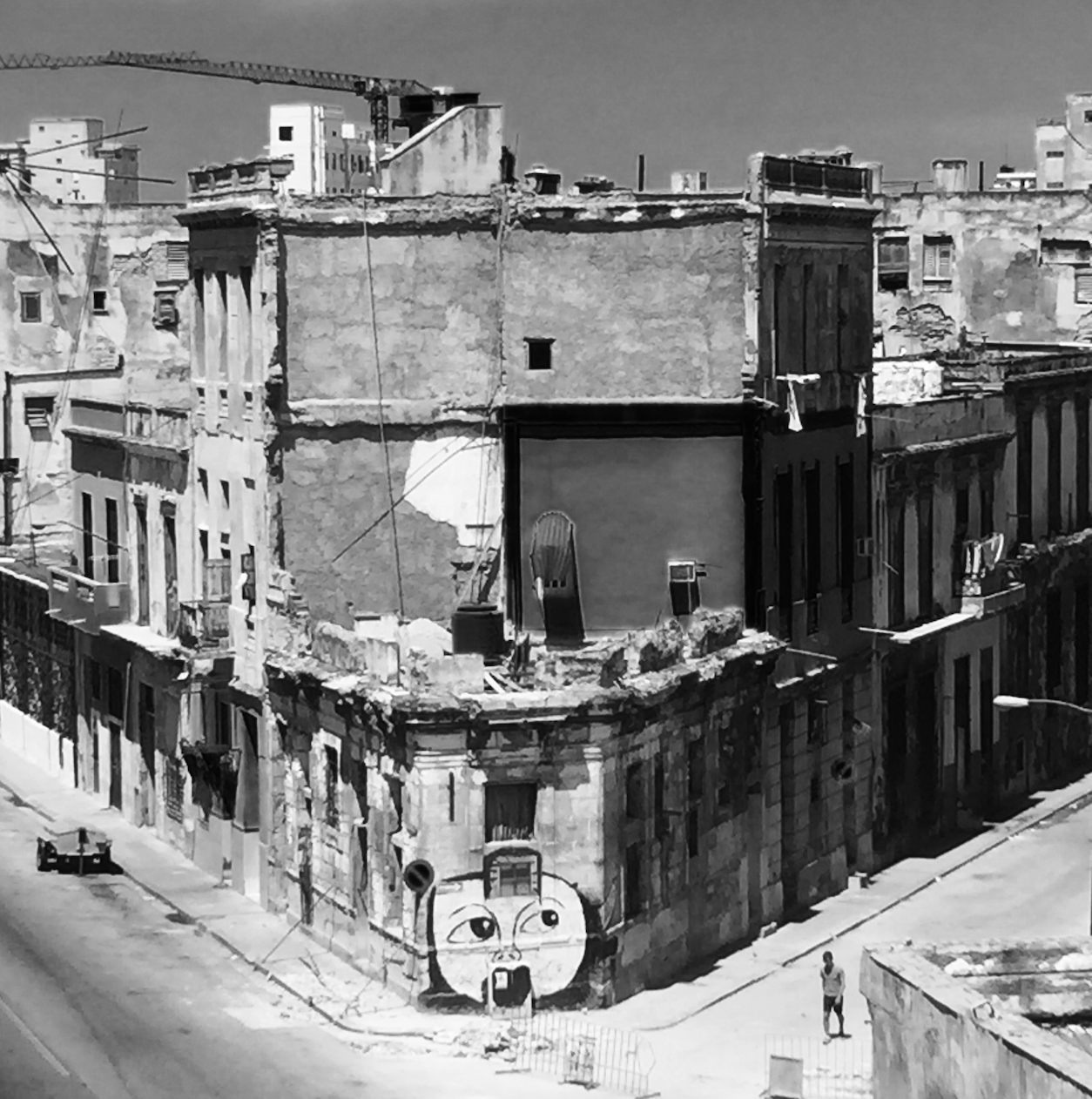
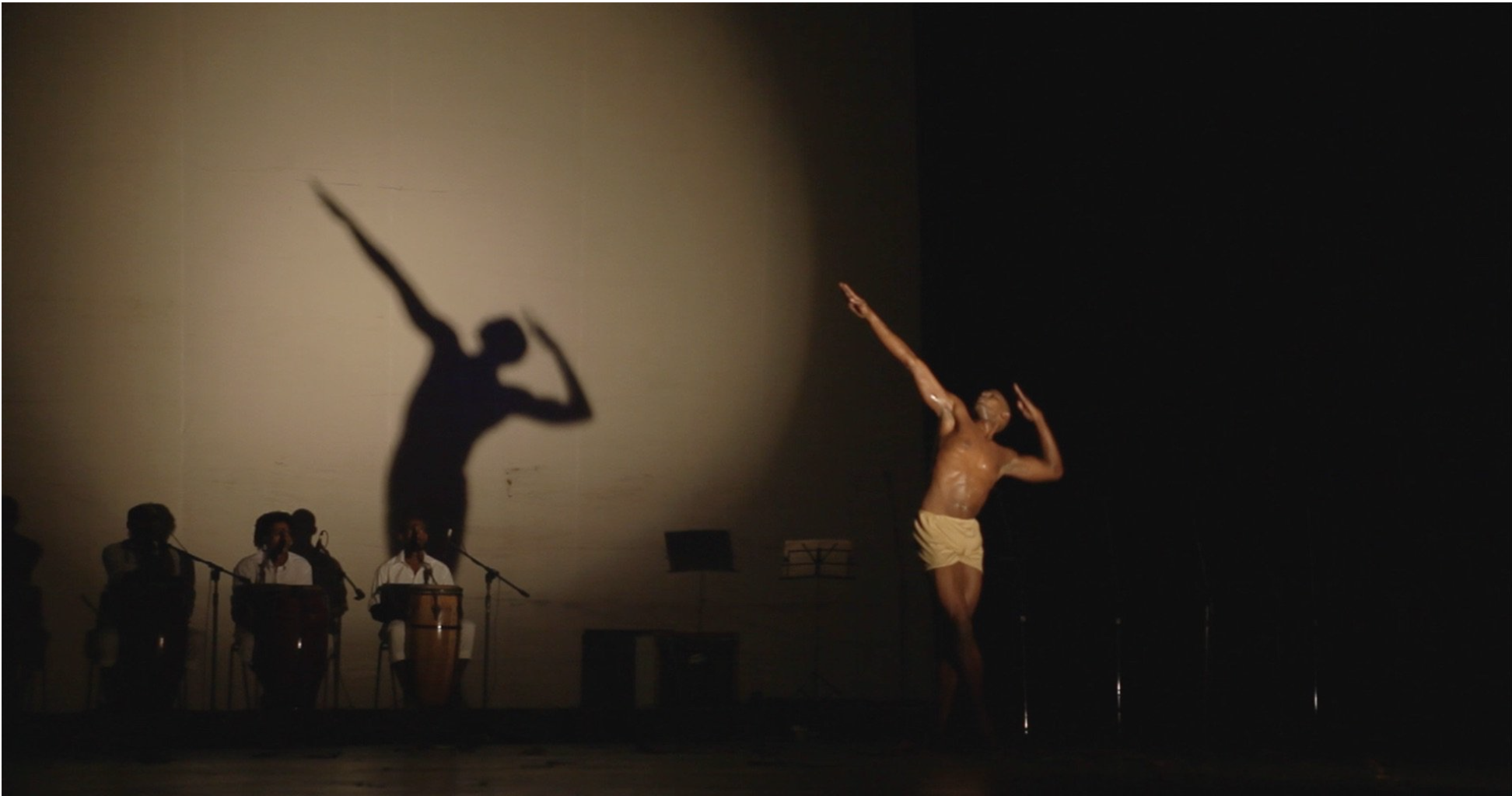
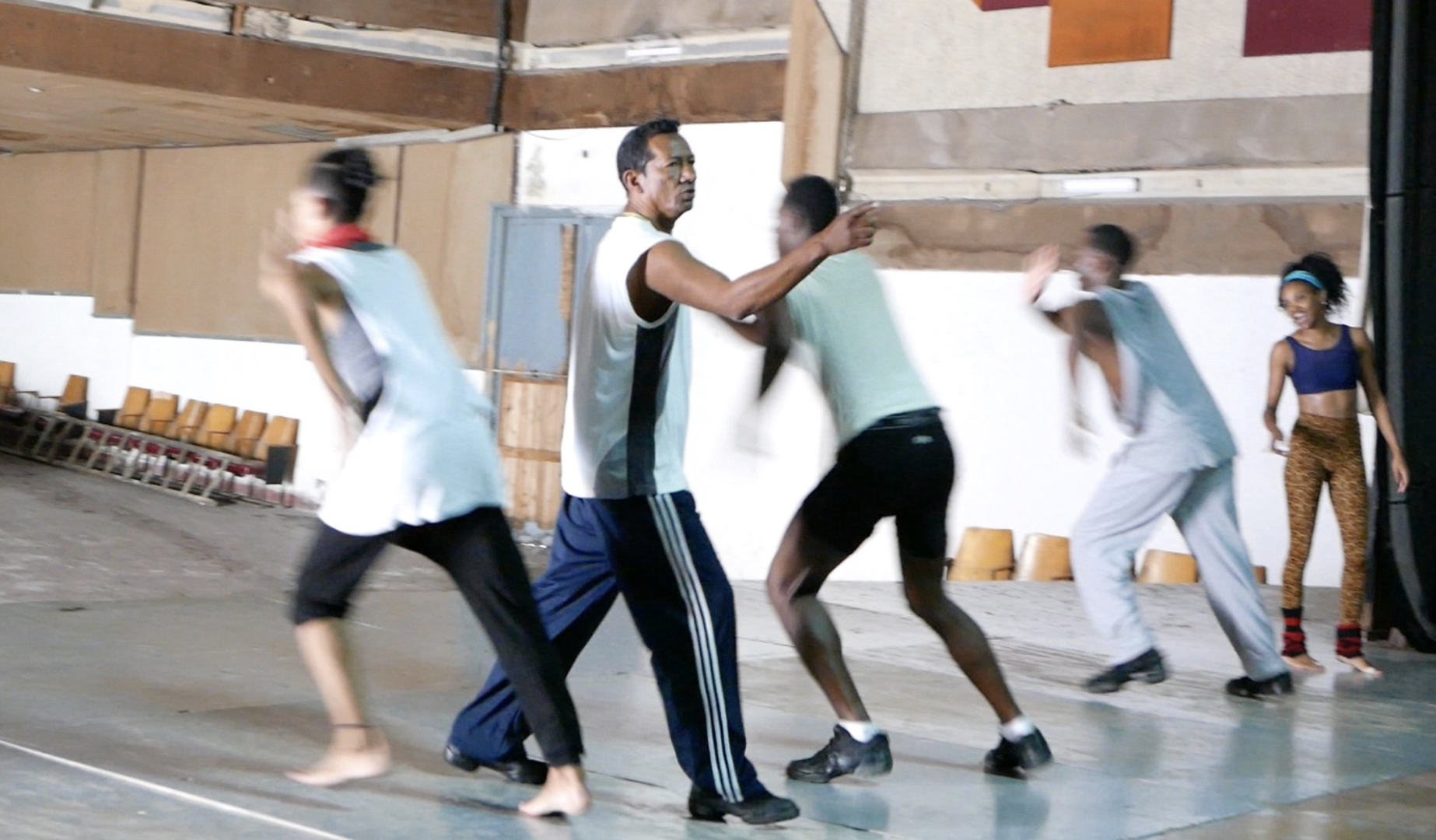
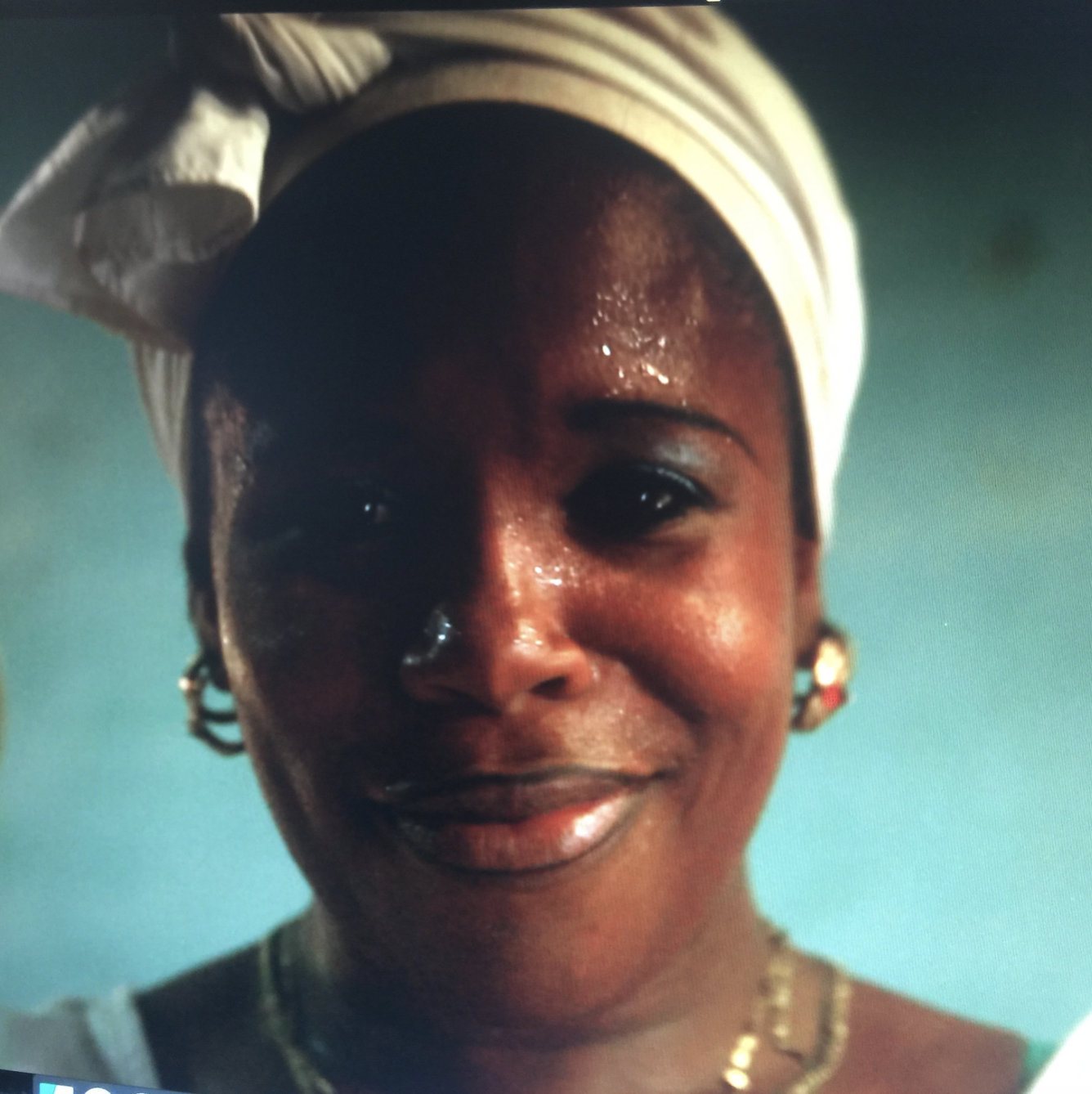
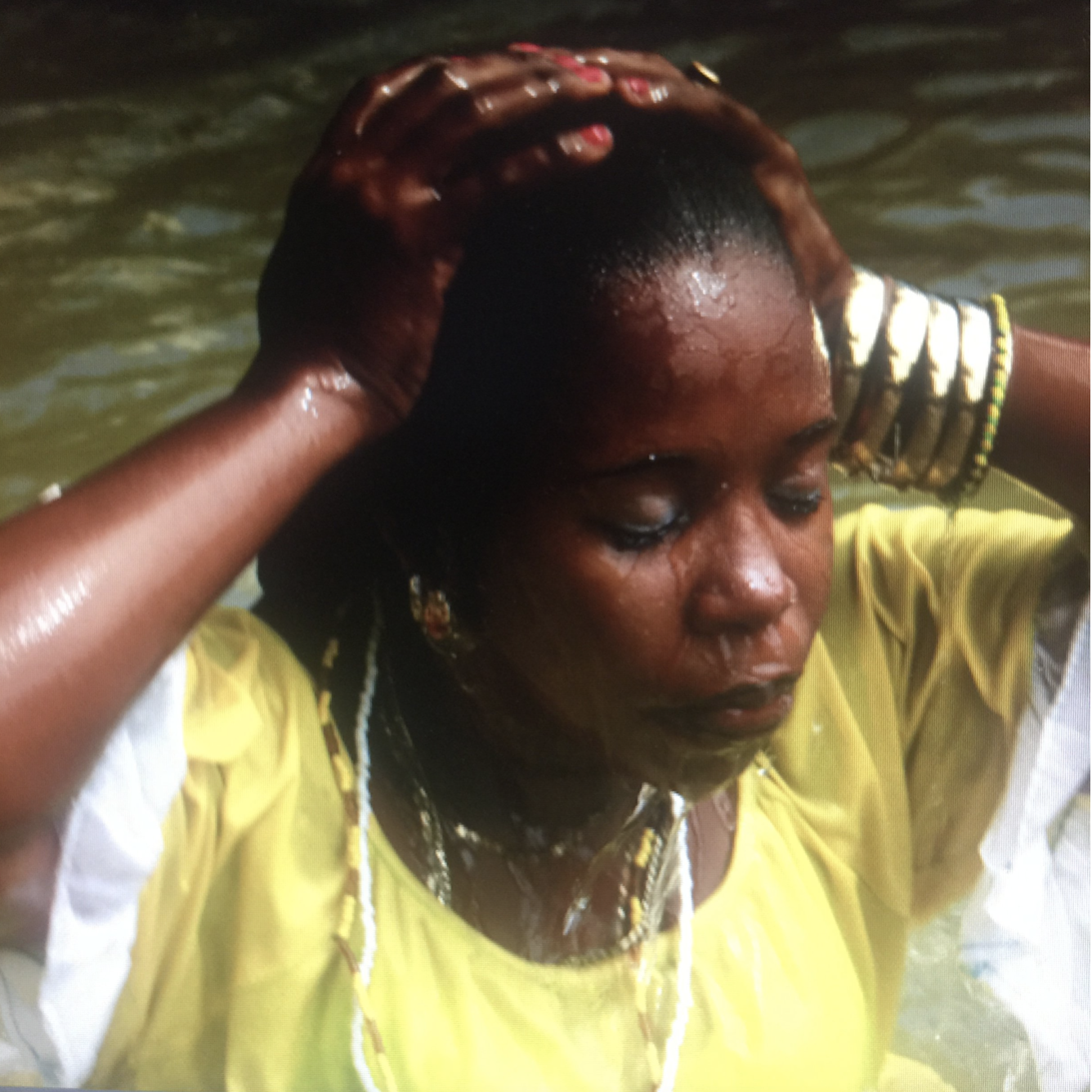
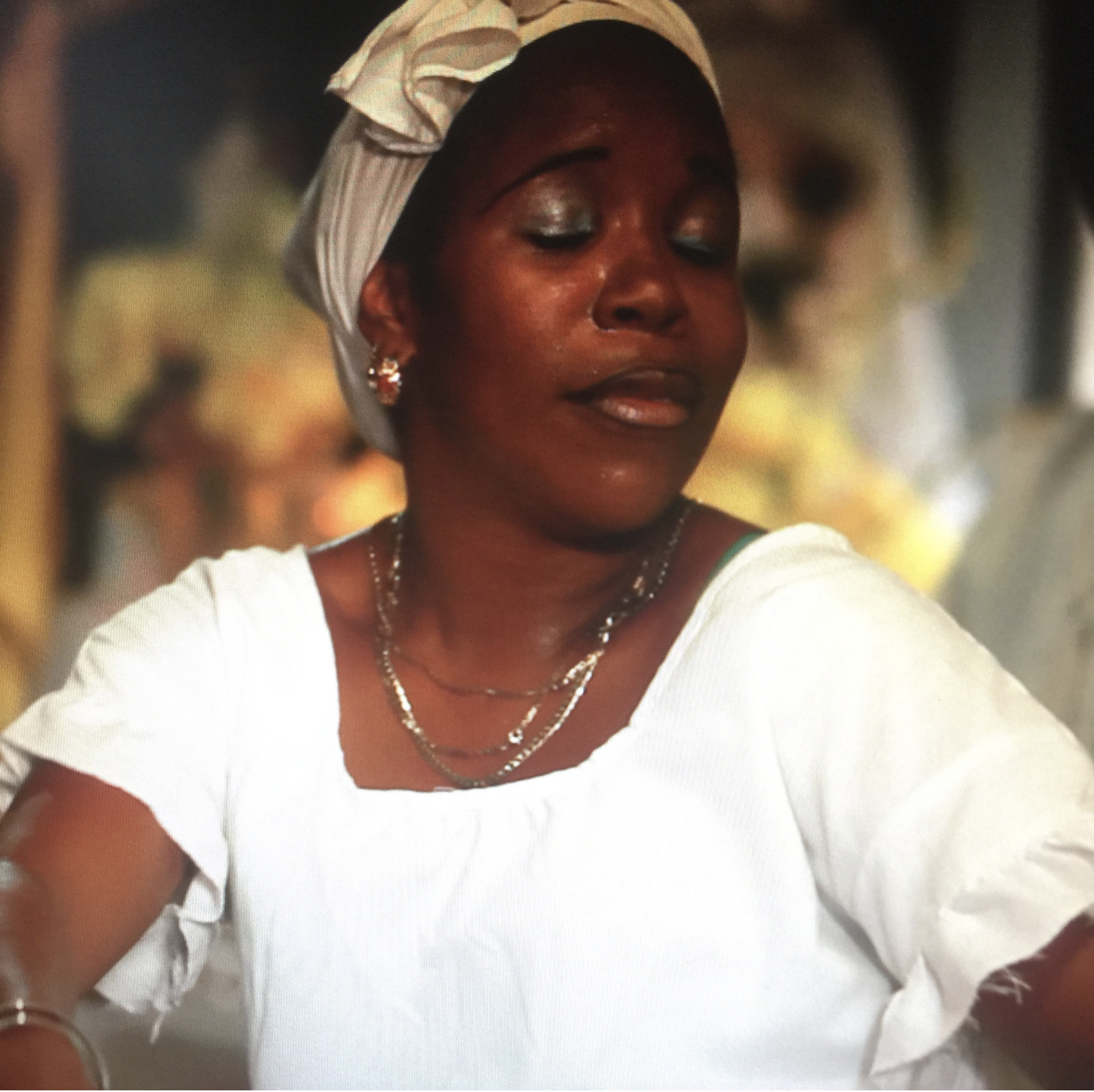
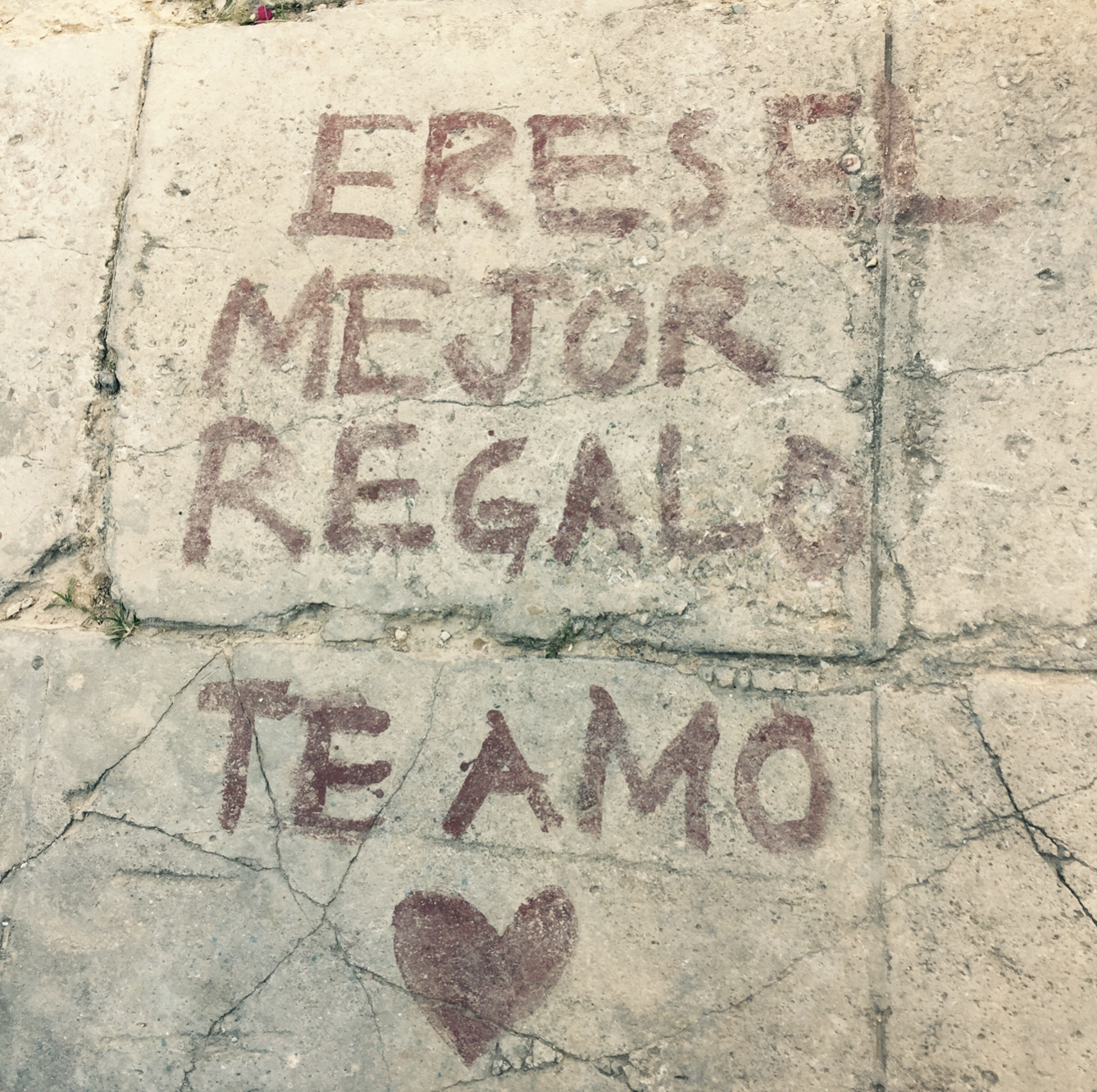
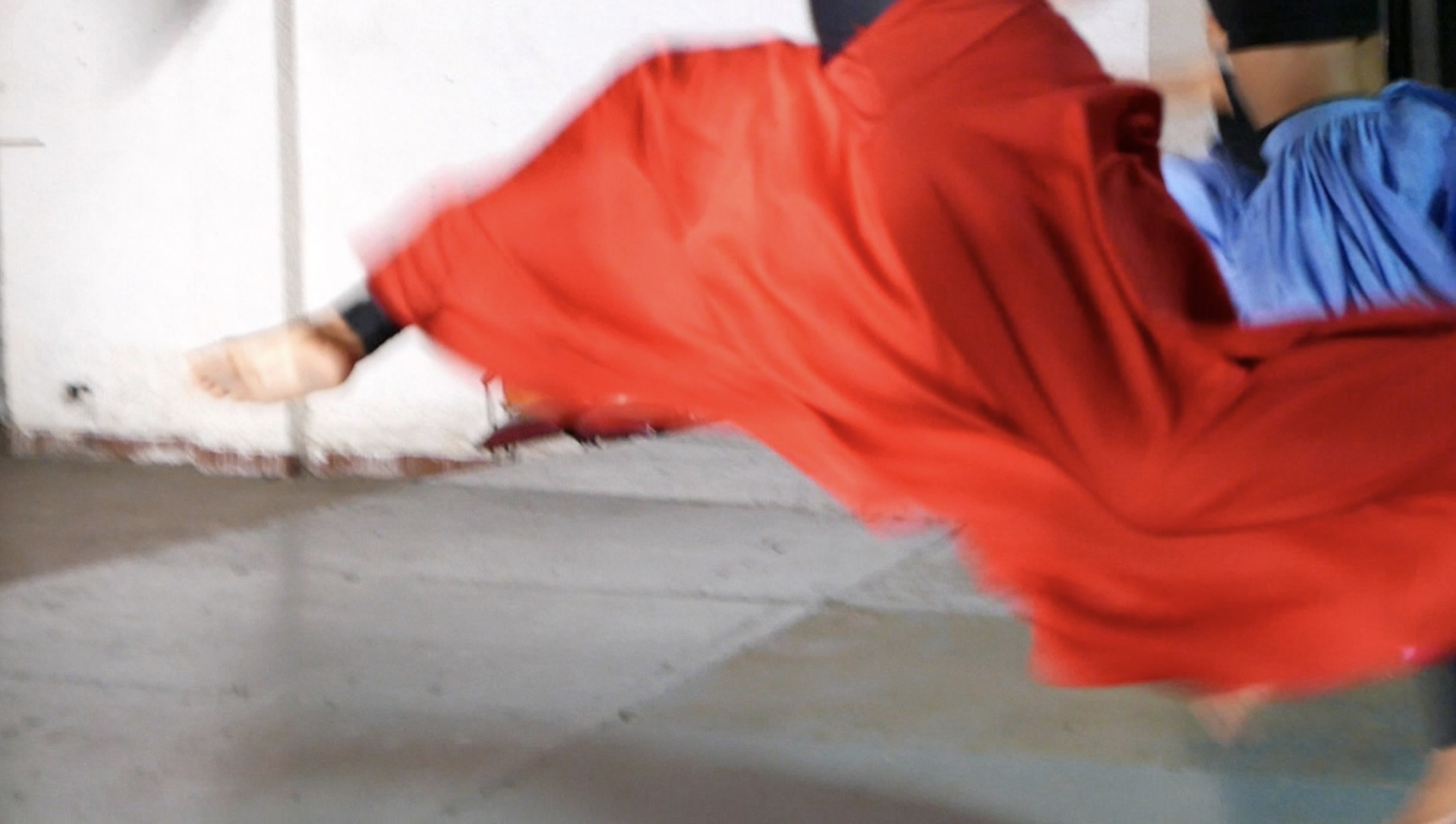
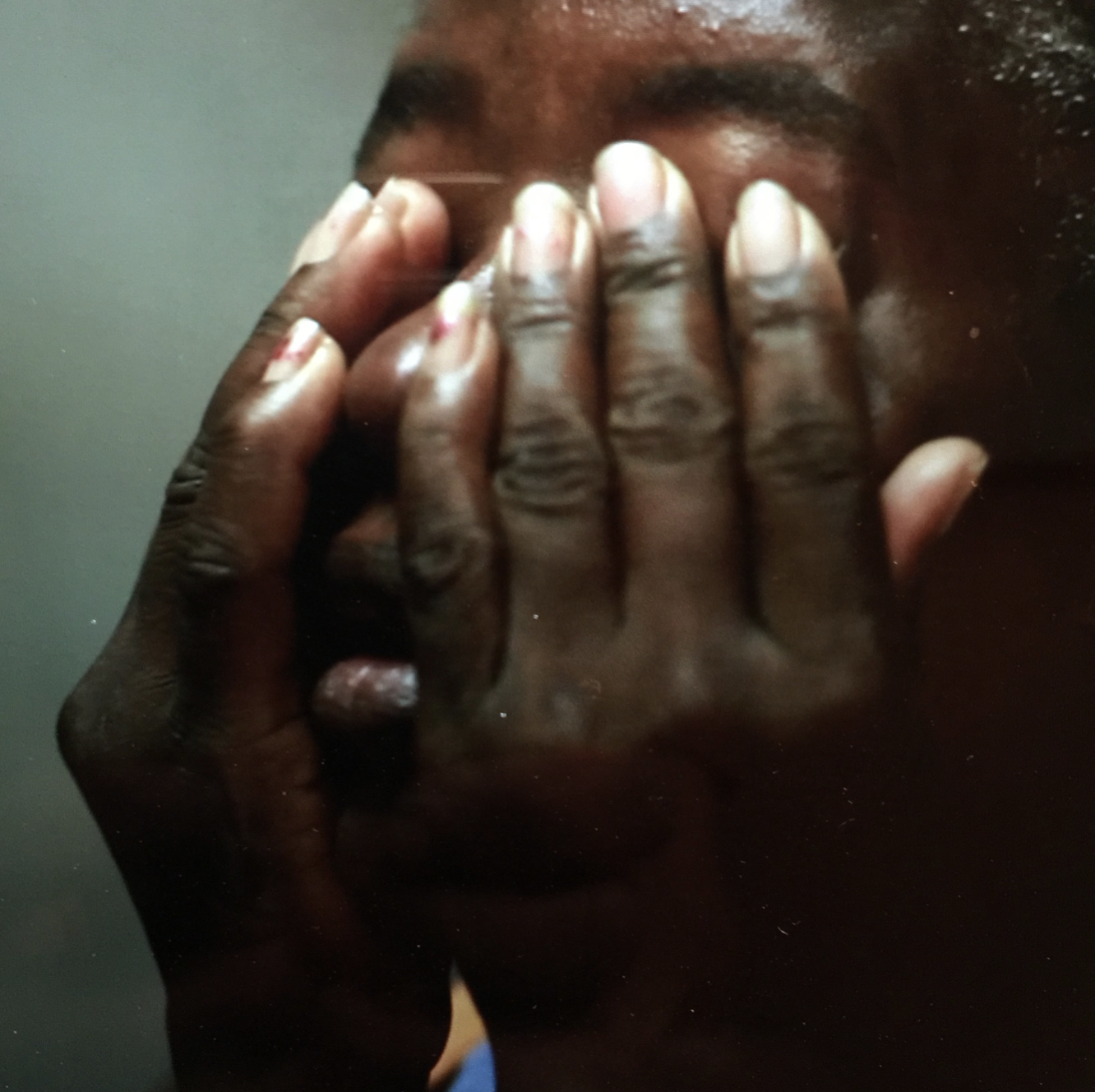
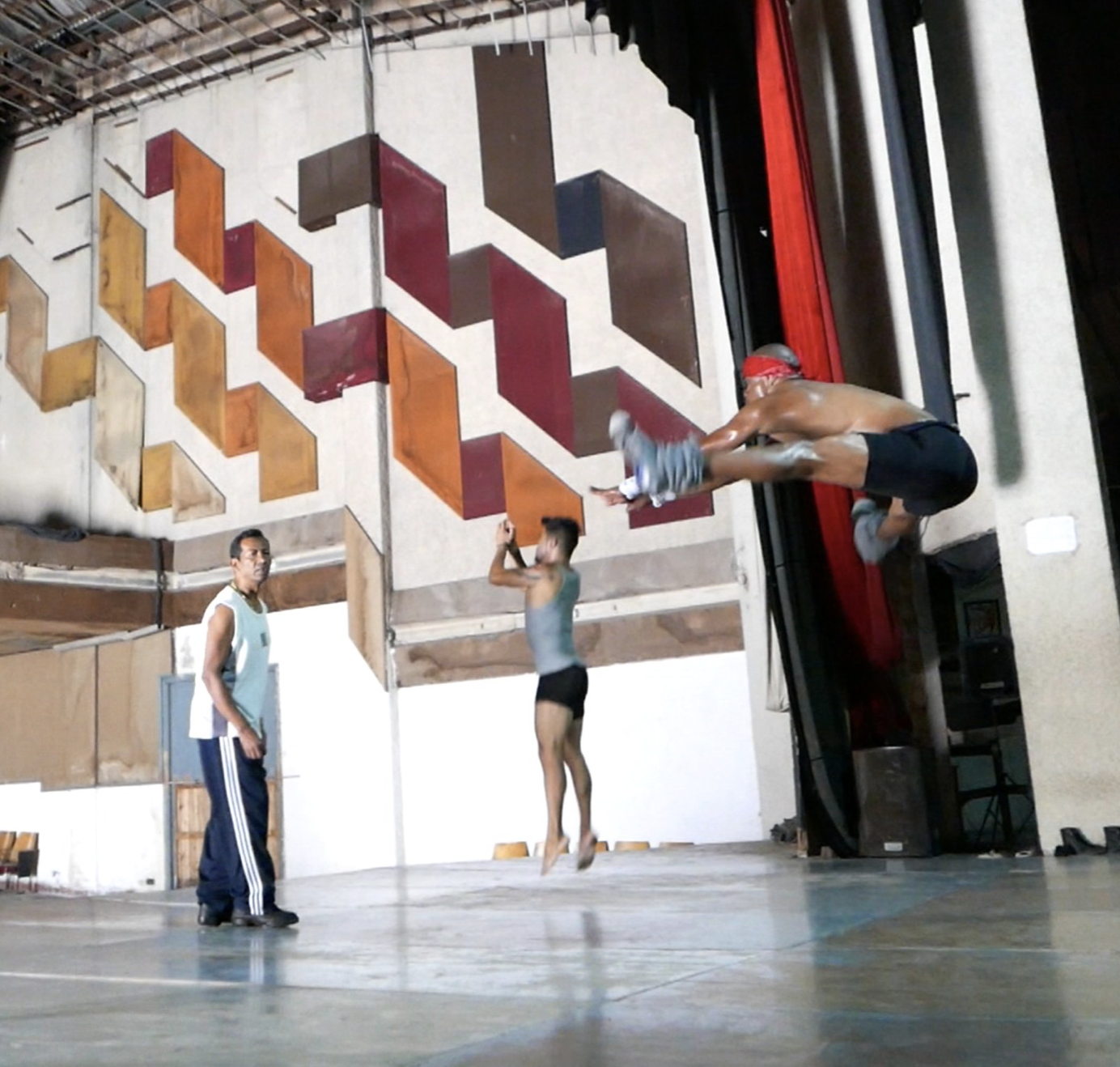
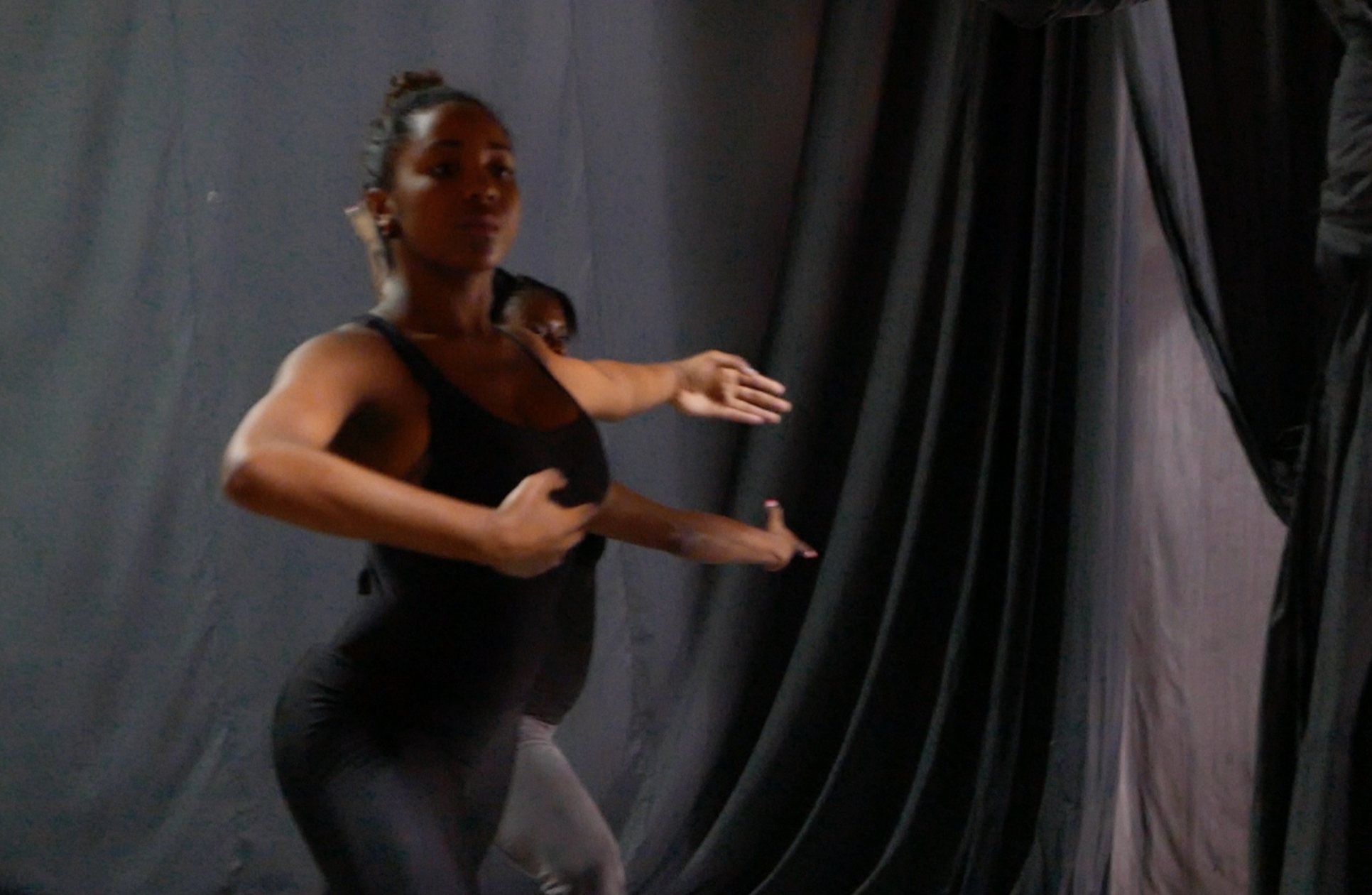
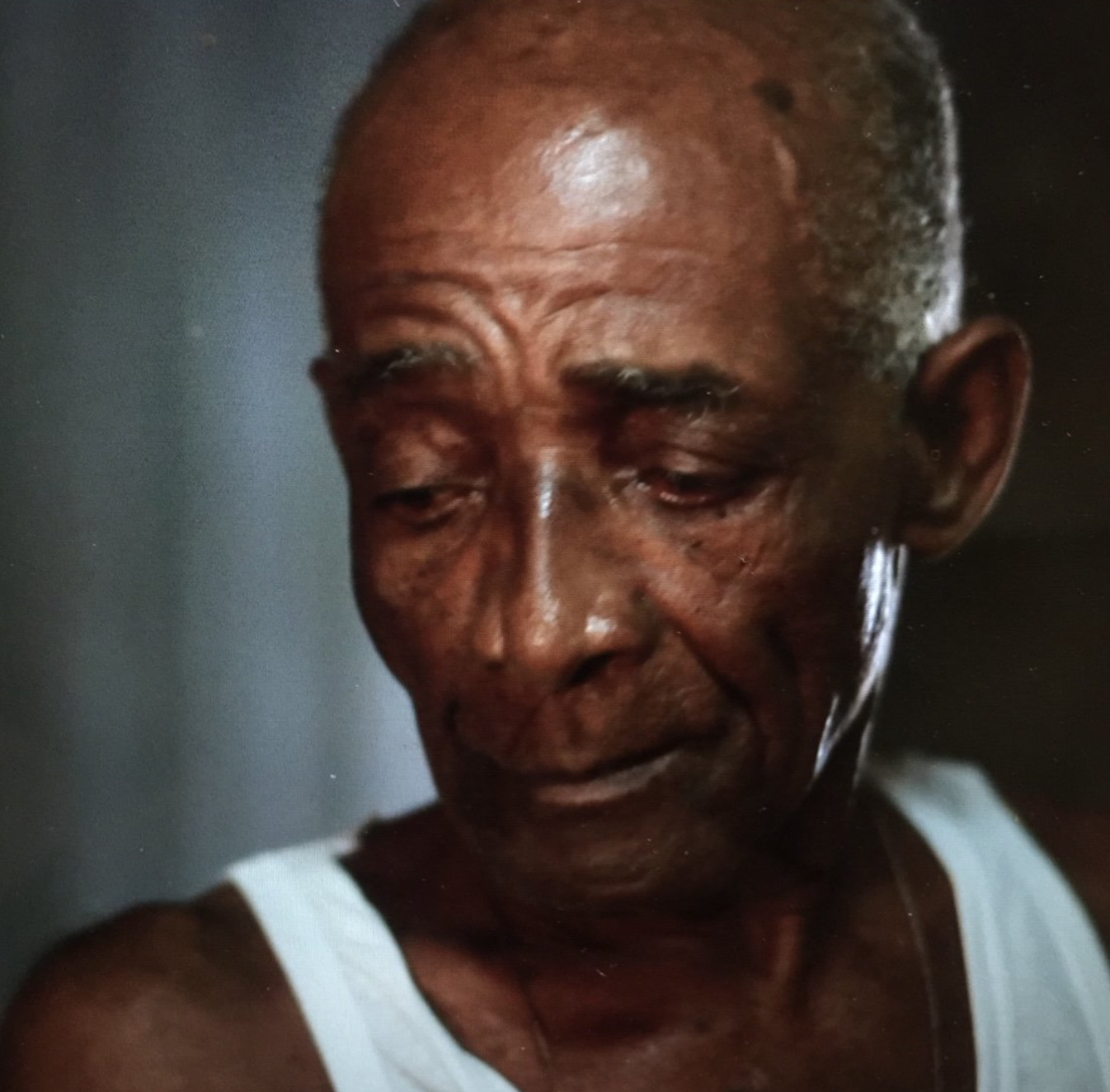

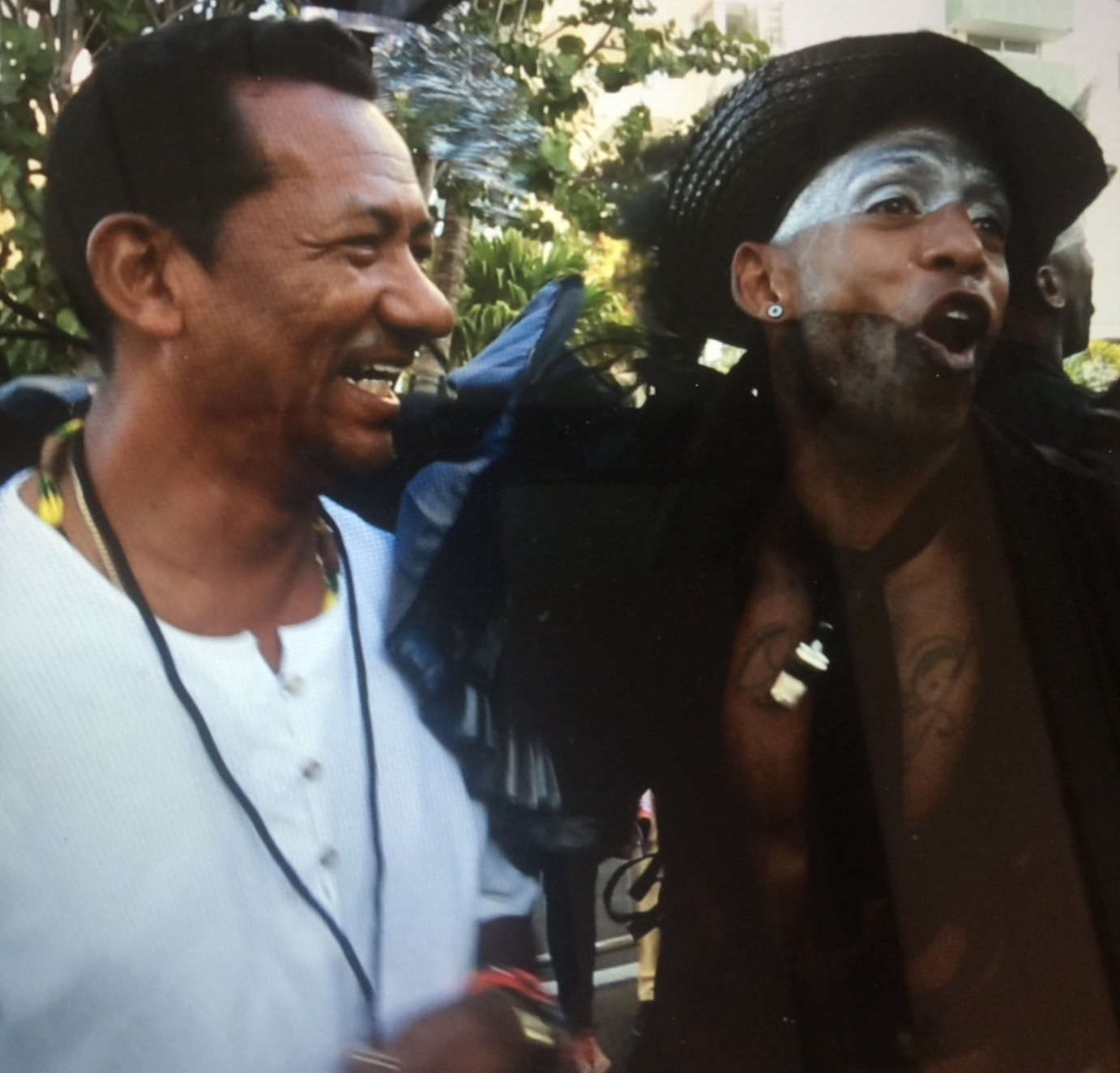

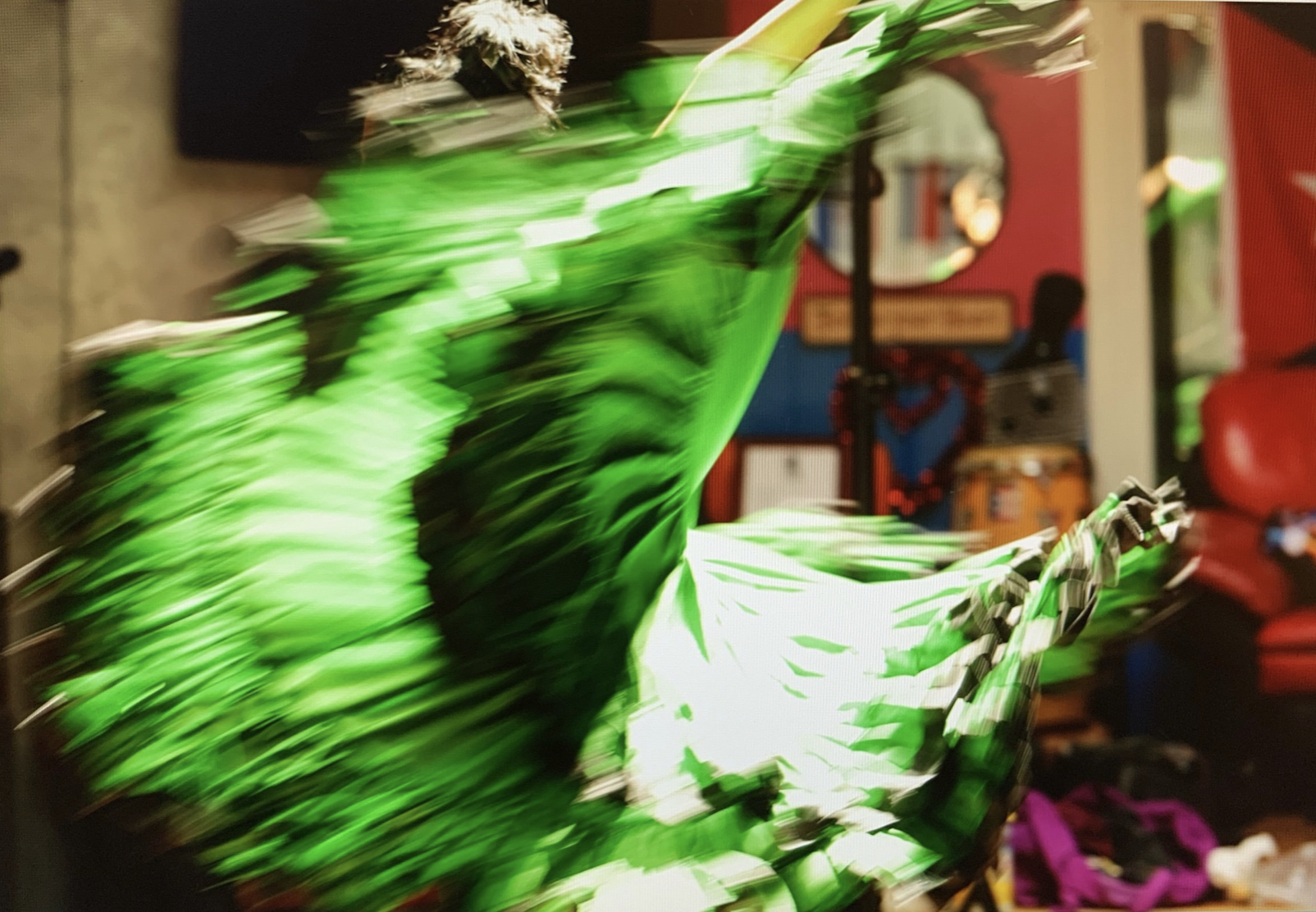
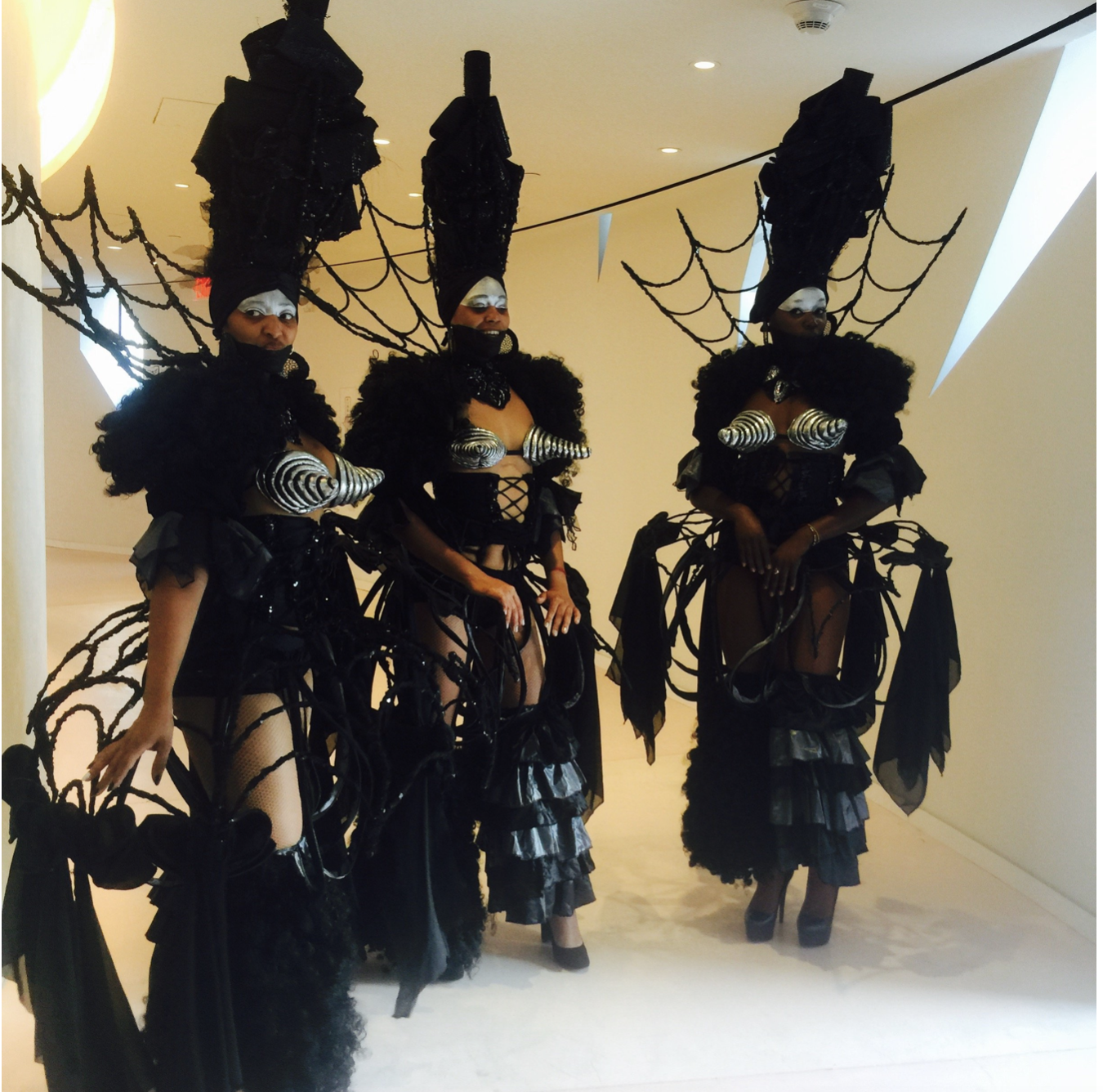
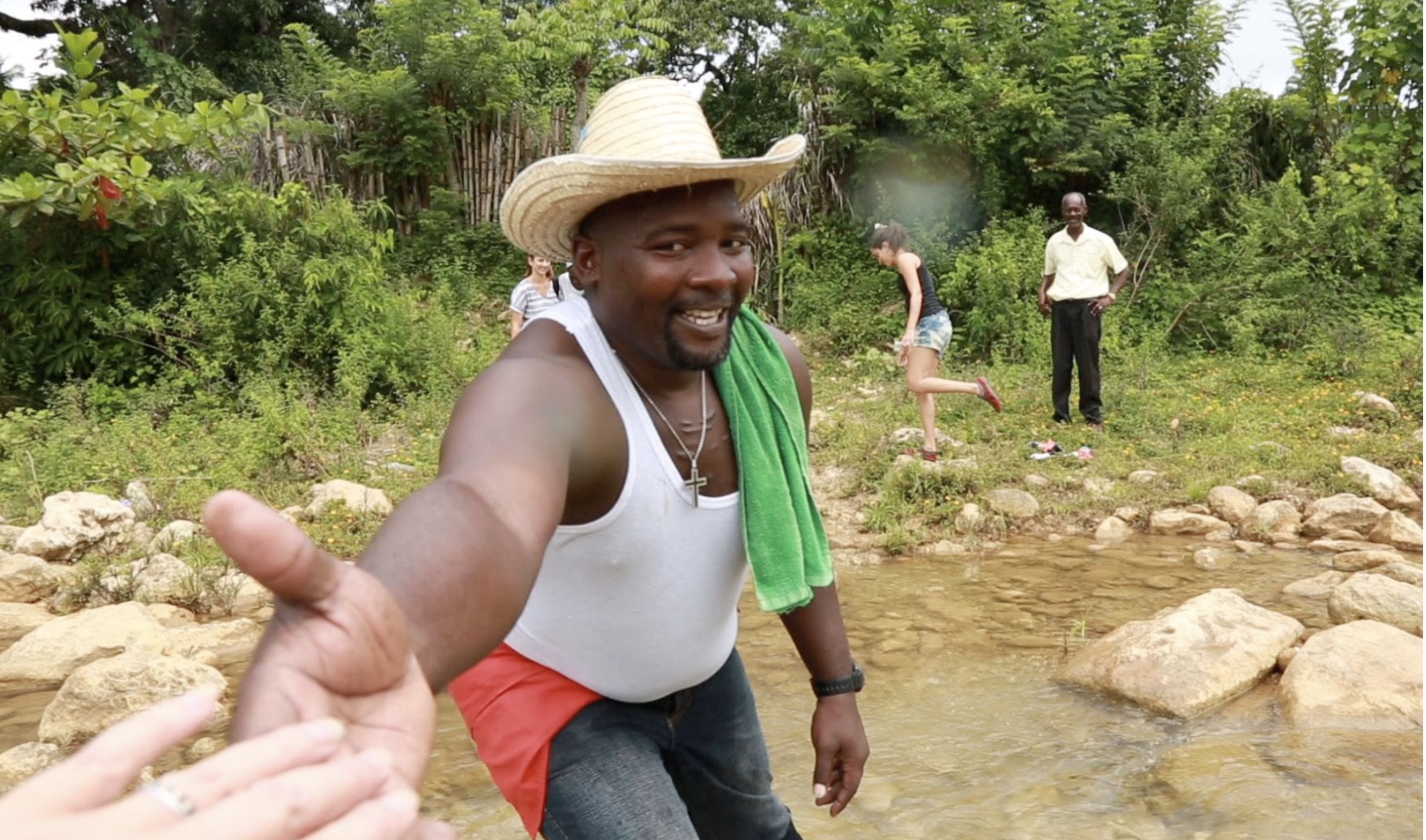
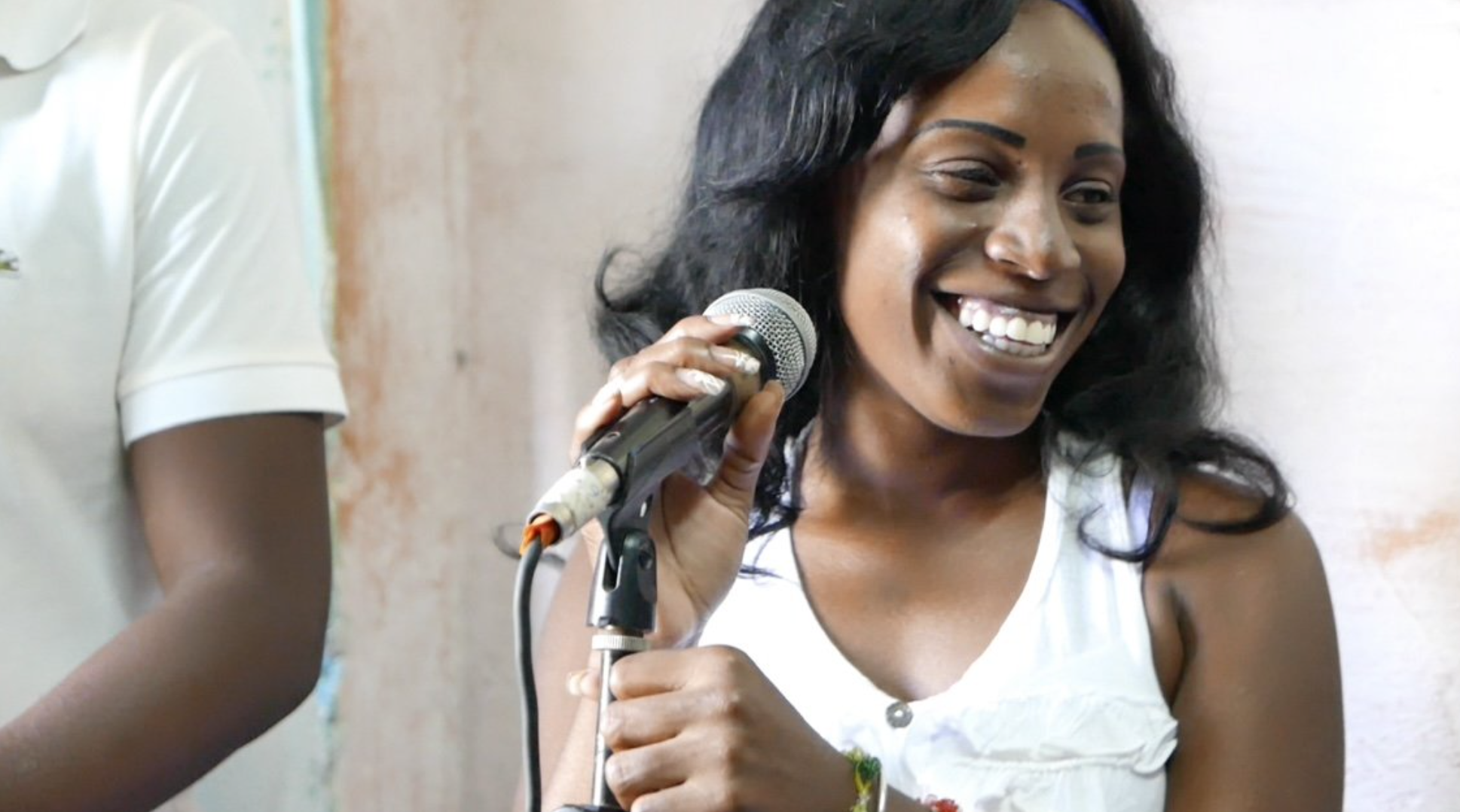
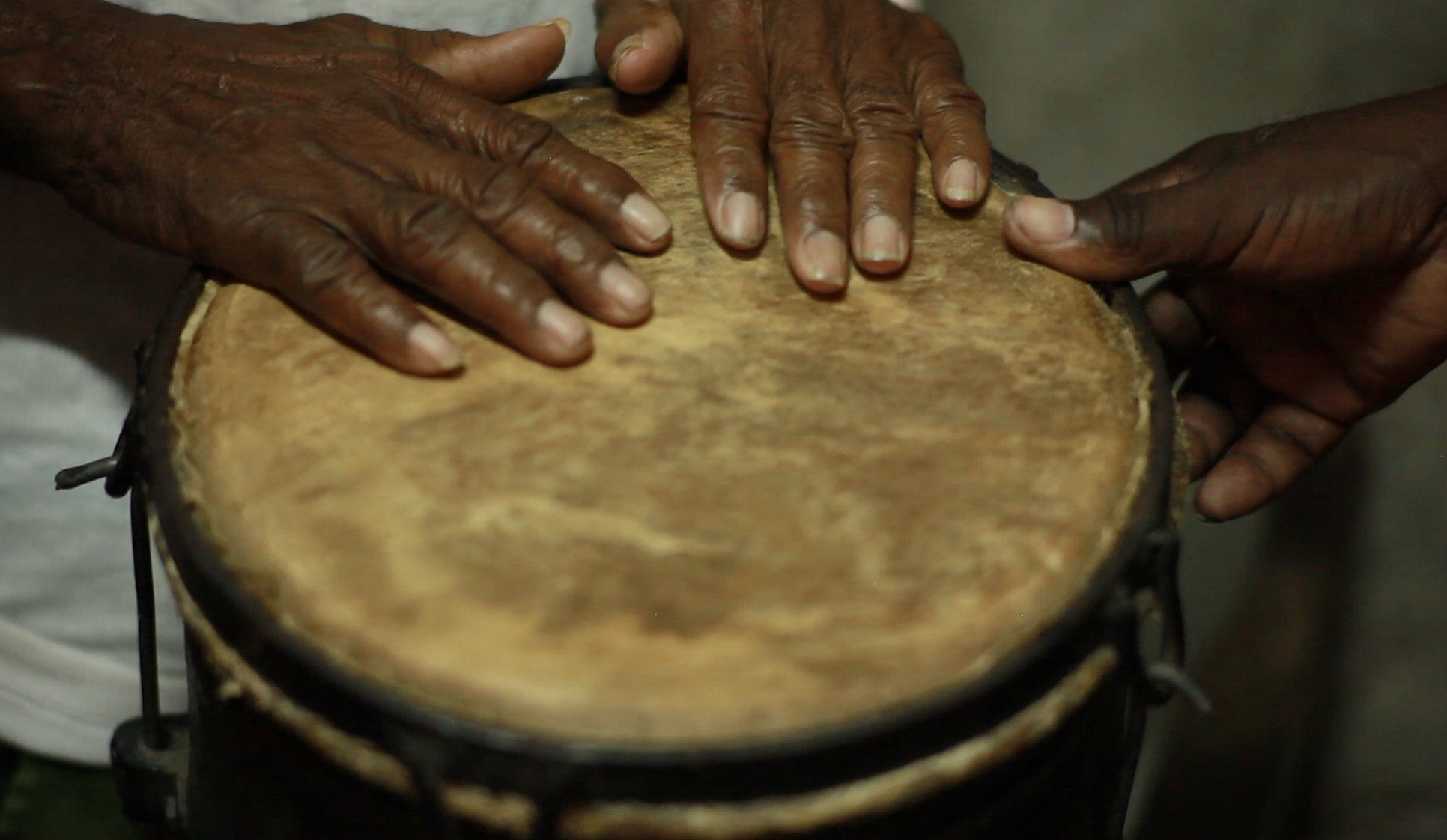
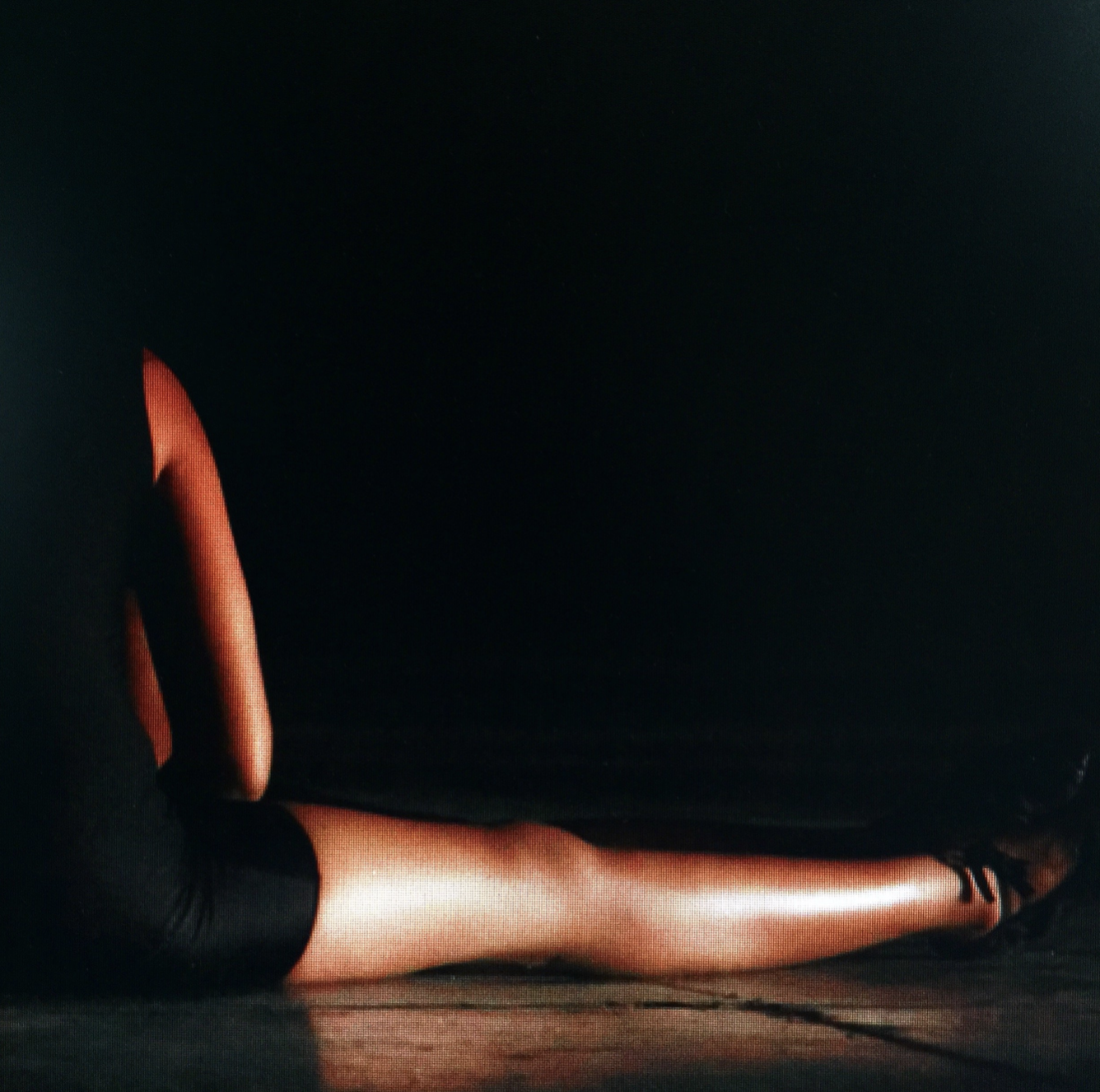
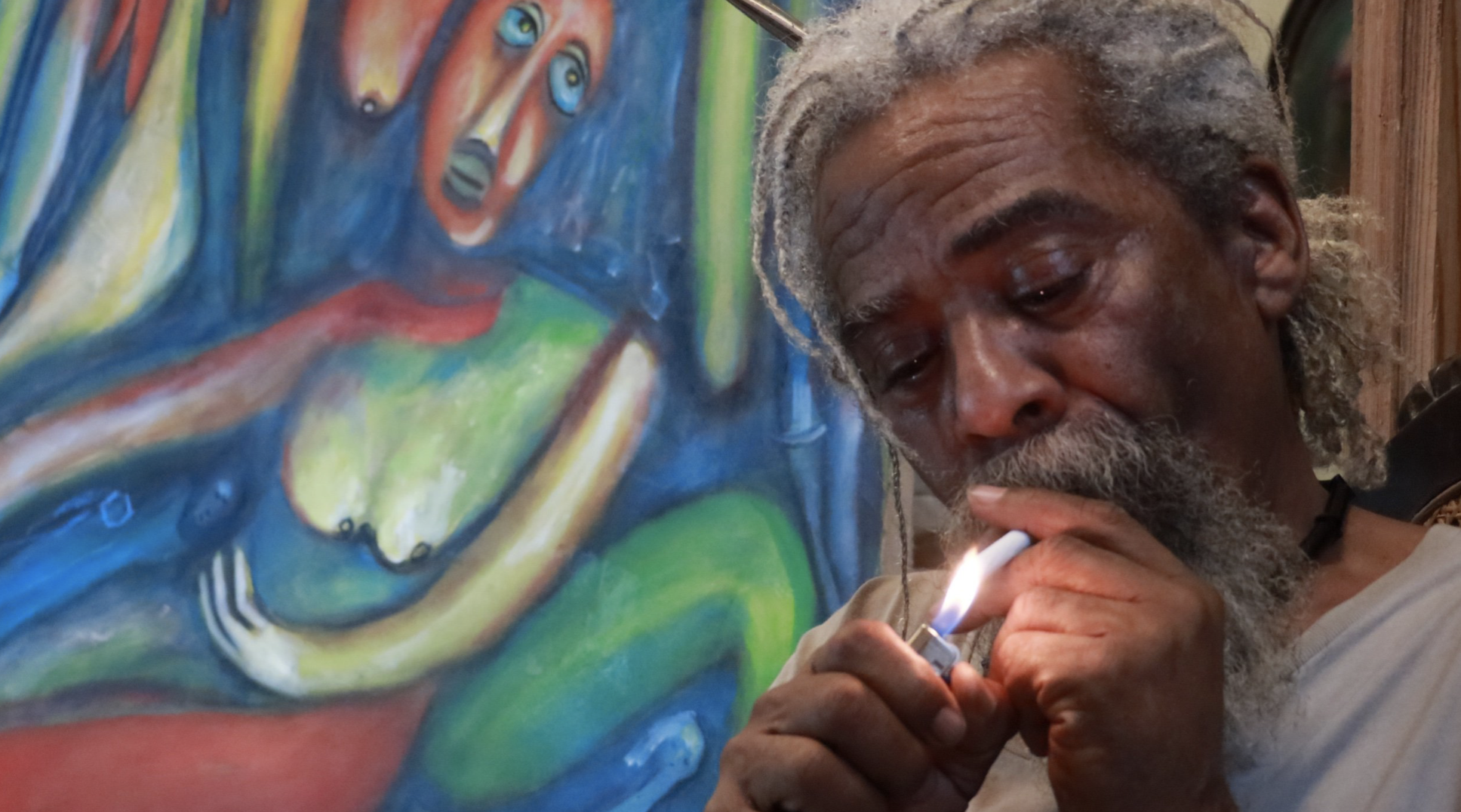
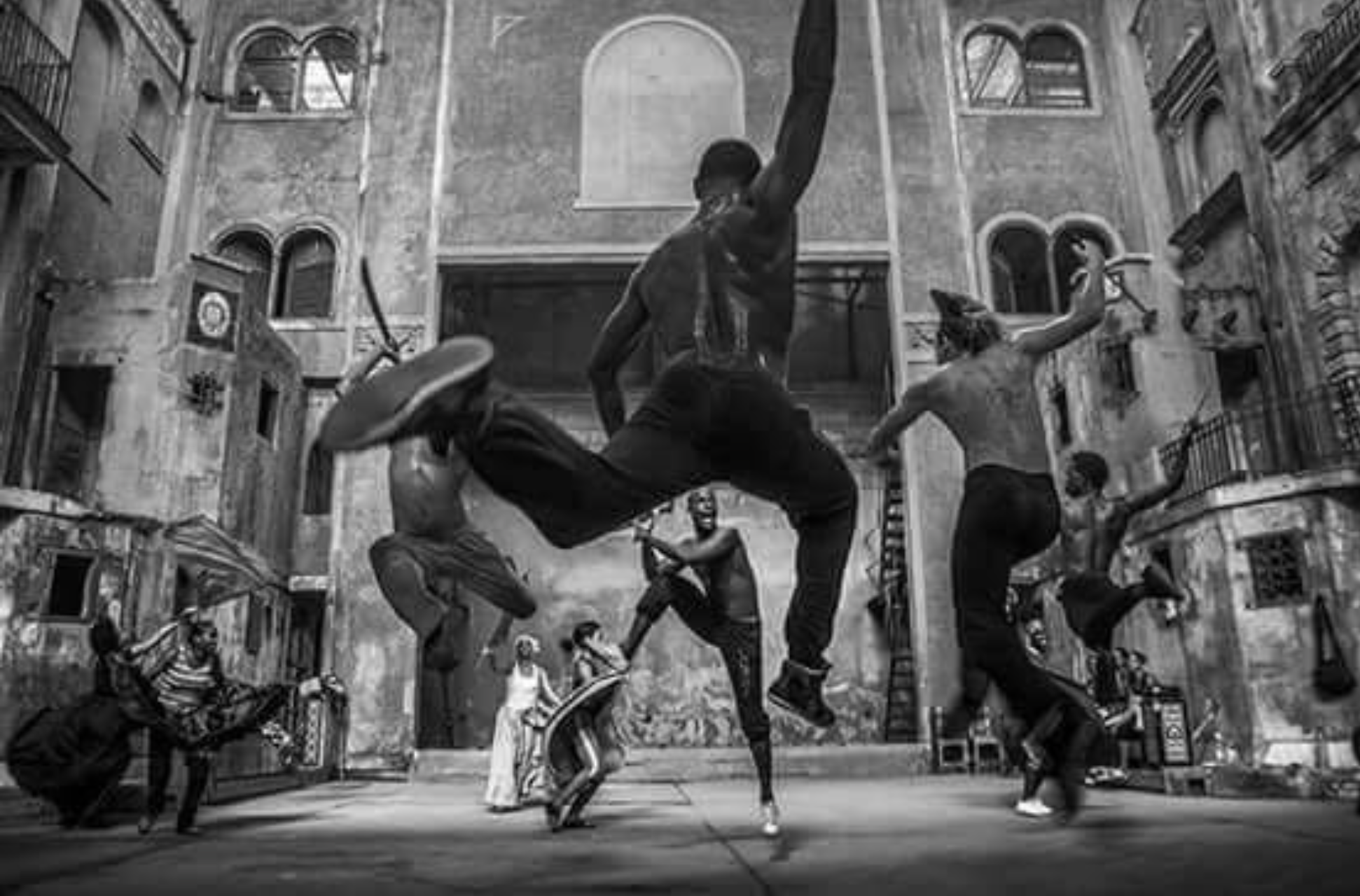
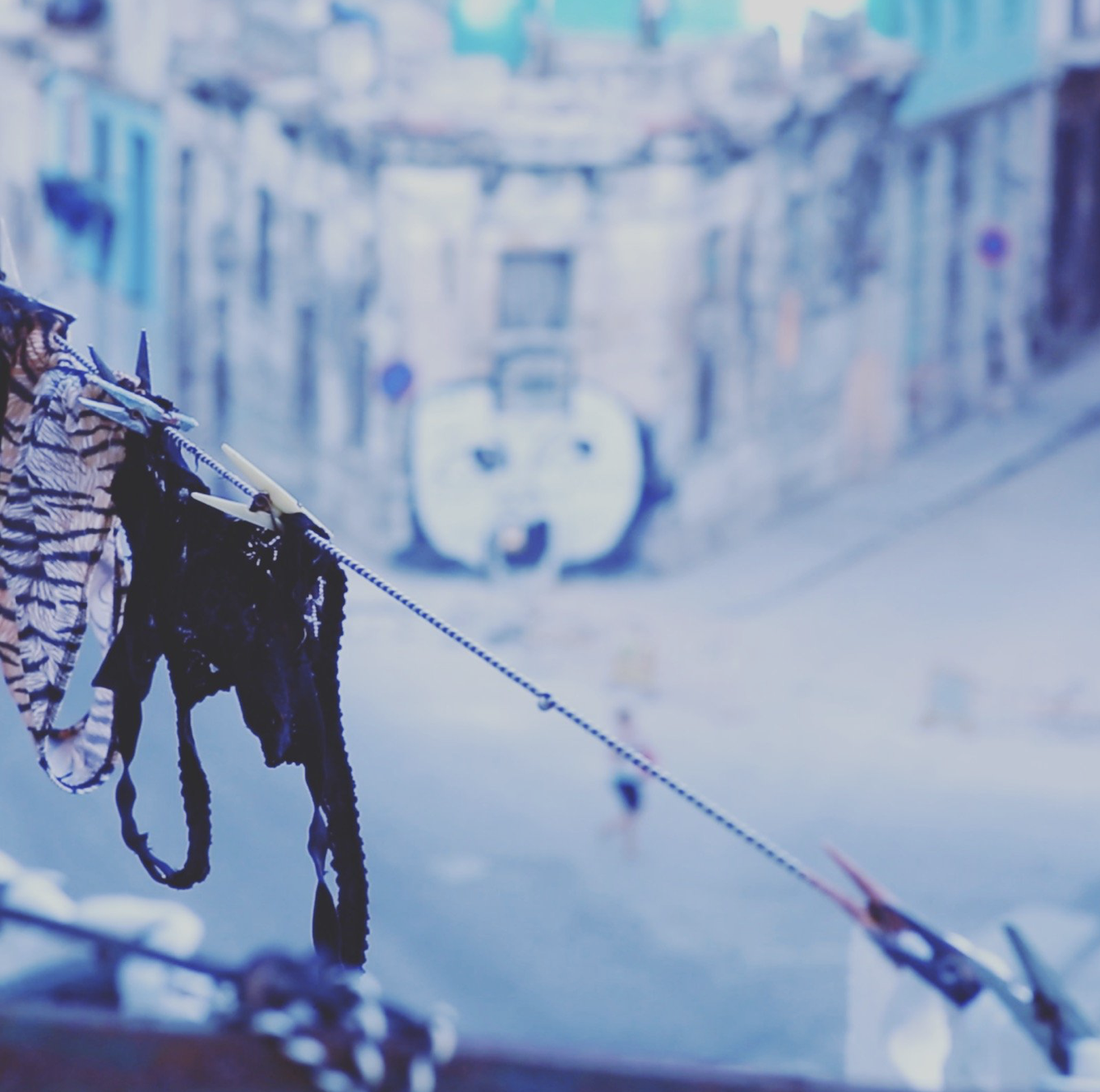

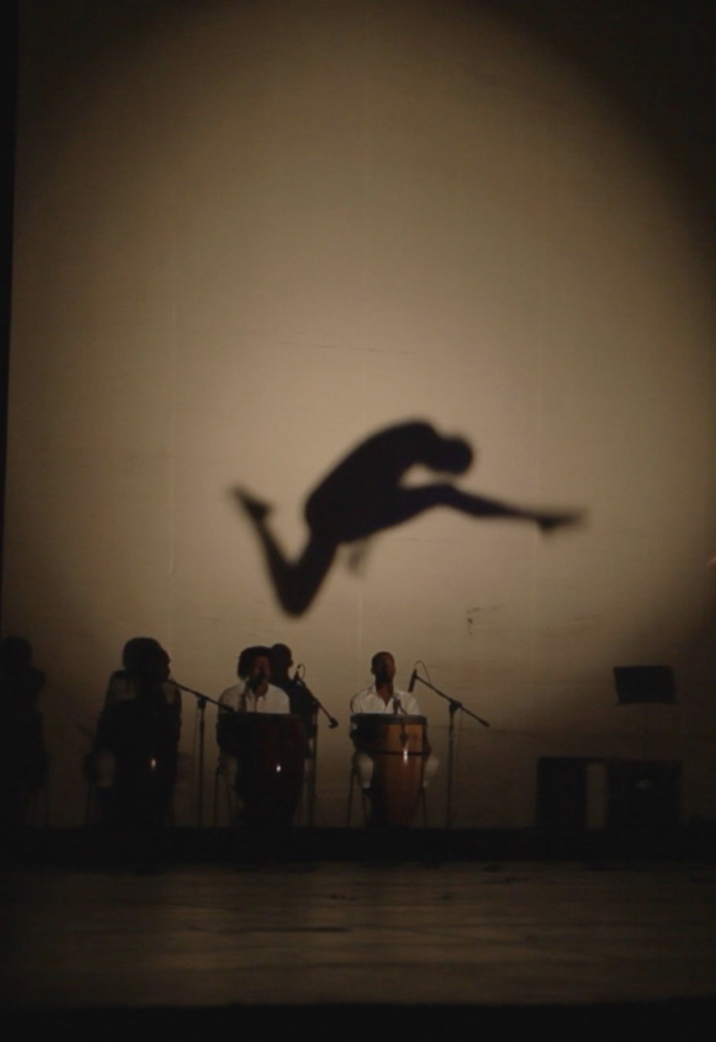
The project will be the creation of what I am calling an alter-archive. This archive will be constituted as much by what it can hold as by the acknowledgment of what it cannot (or should not) hold. Comprised of film, still images, and an installation with projections exploring the connection of the historical practice of Santeria/Lucumi/Condomble from the land of the Yoruban people in present-day Nigeria, to the mountains of eastern Cuba, to the coast of Brazil, to clubs in New York, Havana, and LA.
Critical to connecting the past to the present, the stories, dance, and music of elders in the mountainous region of Eastern Cuba form the foundation of this archive. Unlike the rest of the Caribbean, the Americas, or even Nigeria, the elders in this community are uniquely suited as living representations of these histories – as the mountainous regions of Cuba are nearly inaccessible and the country is politically all but closed to outside influence. This knowledge faces a succession crisis; these elders are now dying, and young people are moving to the cities or out of Cuba altogether. This project is an effort to record their stories, music, and dance.
Through an exploration of spirit and non-linear movement through time and experience, this project attempts to communicate beyond the surface. An exploration into the elasticity of time and the physical manifestation of spirit is, and will be, A Fleeting Dream.
“…my inability to master the material in the image of my own intention”
— Maya Deren, Divine Horsemen, 1953 (writing about her own experience of filming dance and ritual practice in Haiti, and her initial intention to make that into a film)